The gathering board / Practical guide
Host with Your Neighbours in Mind
A kind invitation says what to expect. A considerate host also thinks about the people who are not coming but will still hear the afternoon.
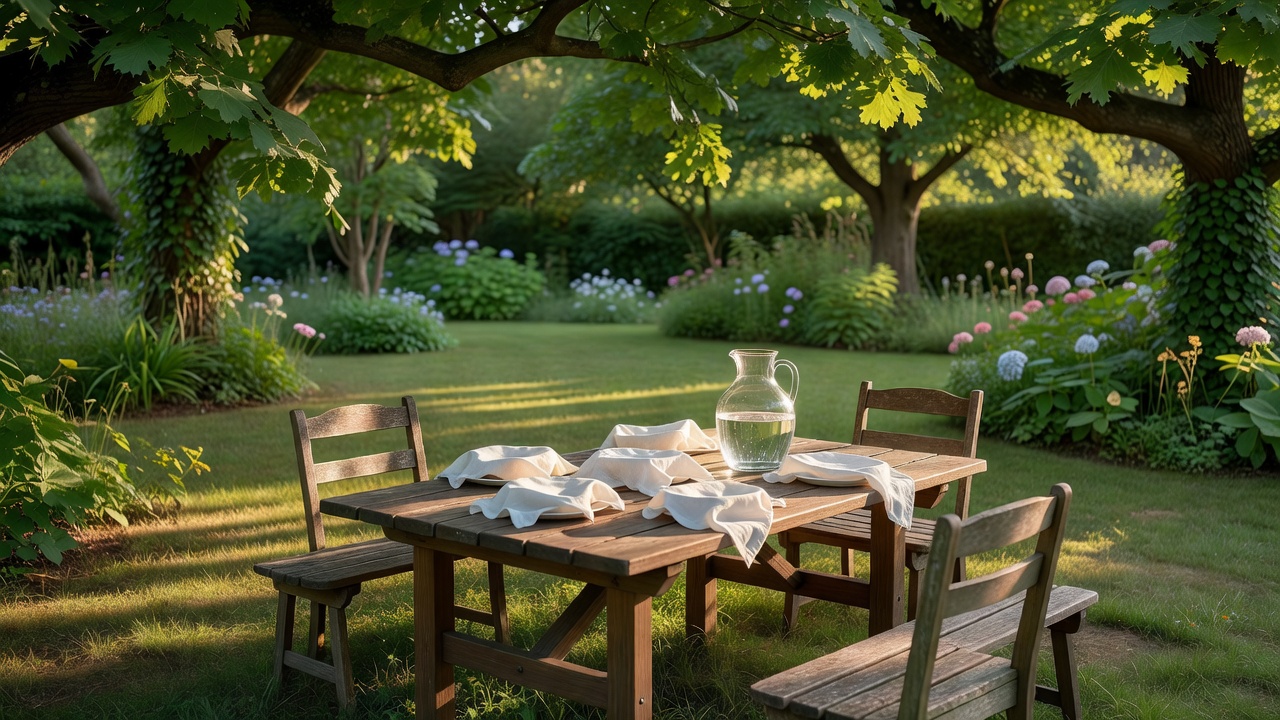
Write an invitation that removes guesswork
Tell guests that this is a relaxed outdoor circle rather than a performance. Explain whether instruments are shared, whether they should bring a chair and whether listening is welcome. Include a clear arrival window and a definite finish for playing. Keep the home address in a private invitation rather than placing it on an open page. Ask permission before adding anyone to a group chat.
Describe the route honestly: steps, gravel, slopes, gate width where known, and the location of the toilet. Invite people to discuss access needs without requiring medical details. Mention pets and any planned food so guests can ask relevant questions. If children are welcome, state that their responsible adults remain responsible for supervision. Do not imply that an informal gathering provides childcare or specialist support.
Speak with neighbours before the first beat
A friendly conversation is more useful than a surprise apology. Explain the nature of the gathering, the intended playing period and how to contact you during it. Ask whether there are concerns you can reasonably accommodate. Do not promise silence you cannot deliver or suggest that an invitation removes their right to object. Their comfort matters whether or not they want to attend.
Check the rules that actually apply to the property. Local councils, municipalities, landlords, parks departments and homeowners’ associations may have different requirements. A public garden may require permission for organised activity even when entry is free. Rules for amplified sound, reserved spaces and trading can differ from rules for an ordinary picnic. Advice from a friend in another town is not a substitute for checking the relevant authority.
Share useful jobs without creating obligations
Offer optional contributions such as bringing a spare seat, helping carry water or greeting arrivals. Keep a simple list so several people do not bring the same bulky item. Say clearly that arriving empty-handed is fine. Shared activity should not become a test of spending, cooking confidence or access to equipment. The host still needs a workable plan if nobody brings anything extra.
Place food away from instrument storage and provide a way to clean hands. Ask contributors to keep ingredient information available, while explaining that an informal shared table cannot guarantee the absence of allergens or cross-contact. Let guests bring their own food without comment. Follow appropriate food-storage advice rather than judging safety by appearance or smell. The FoodSafety.gov guidance is a useful starting point; local public-health guidance may also apply.
Make a weather plan that can say “not today”
Check the forecast before setting up, and tell guests how a cancellation will be communicated. Shade moves, so visit the proposed seating area during the part of the day you intend to use it. Have drinking water available and encourage breaks without waiting for someone to struggle. Avoid framing endurance in heat as enthusiasm for the group.
The Centers for Disease Control and Prevention heat guidance explains why heat can pose health risks. For lightning, follow the National Weather Service safety advice: an open-sided shelter or tree is not a safe substitute for appropriate enclosed shelter. If the safe alternative is cancelling, cancel. Protecting drums from rain is secondary to protecting people.
Keep sound decisions easy to change
Start below the level you think the group might eventually want. Ask a helper to check how sound carries from a permitted boundary position, and revisit the check when more instruments join. Avoid assuming that a fence, hedge or blanket provides meaningful sound isolation. If a neighbour raises a concern, pause first and discuss it calmly. Do not answer a complaint by asking the group to play over the conversation.
A finish time is a commitment, not a suggestion to begin one more long activity. Leave enough time for a quiet goodbye and packing away. If people want to stay and talk, consider how voices and moving furniture carry too. Keep exits and shared paths usable throughout, and do not send guests home through a neighbour’s property without explicit permission.
Leave the garden ready for ordinary life
Check for small instrument parts, food scraps and litter before moving chairs back. Sort waste according to local arrangements and take it away if the site requires that. Protect planted beds rather than using them for cases or improvised seating. The Leave No Trace principles offer a useful reminder to care for shared outdoor places and other visitors.
Afterward, thank anyone who helped and check in with neighbours if appropriate. Ask one practical question for next time: Was the finish clear, was the route comfortable, or did the playing carry farther than expected? A successful gathering leaves people willing to share the space again, including those who never picked up a drum.